Polyurea Chemistry
Polyurea is a fast-setting, spray-applied coating, lining and joint sealant technology formed when an isocyanate reacts with an amine-terminated resin blend. The reaction creates urea linkages (-NH-CO-NH-), takes seconds and needs no catalyst, which is why polyurea builds a seamless, high-strength membrane.
What Is Polyurea?
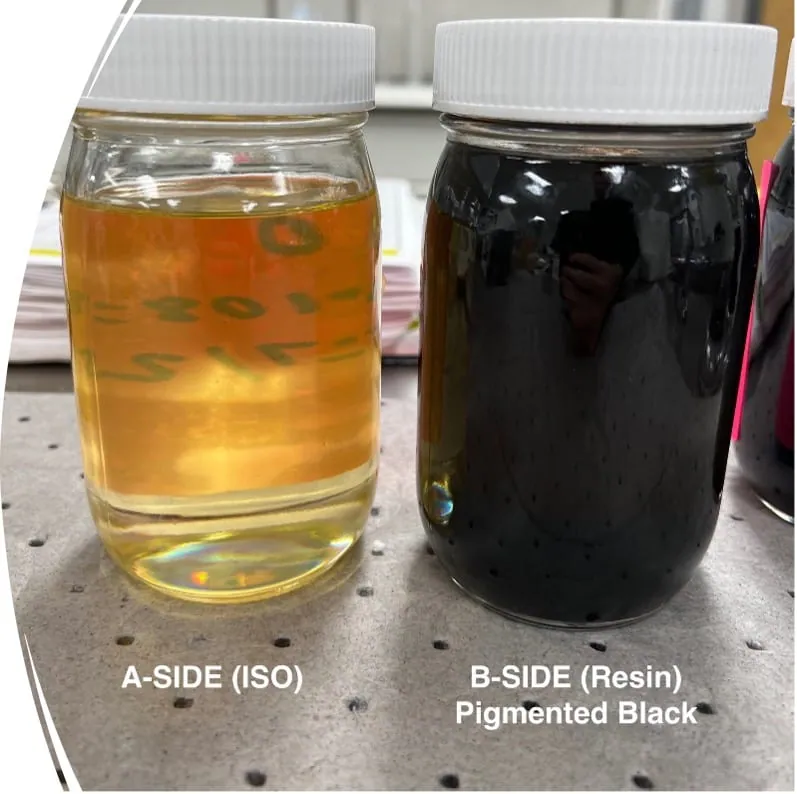
Polyurea is a coating, lining and joint sealant technology. It is supplied as two components: an isocyanate (the A-side) and an amine resin blend (the B-side). They react within seconds, so polyurea is applied quickly and expertly with plural-component spray equipment.
What it is used for: corrosion protection and abrasion resistance on concrete and steel, tank linings, roofing, flooring, waterproofing, secondary containment, truck bed liners and more. See polyurea coating solutions and industries served.
Key properties: industry-leading tensile strength, high flexibility, chemical and abrasion resistance, seamless waterproofing, fast return to service, and 100% solids with no solvents or VOCs. In the right environment and with proper maintenance, polyurea can last over 30 years before it needs touching up, repairs, or replacement.
For quick answers on dry time, lifespan, safety and what to apply over polyurea, see what polyurea is and how long it takes to dry and the polyurea FAQ. The rest of this page covers the chemistry.
How Polyurea Forms
Polyurea forms when an isocyanate group (-N=C=O) meets an amine group (-NH₂). The two join to create a urea linkage, and repeating that reaction across the mixed material builds the long polymer chains that give polyurea its strength and flexibility.
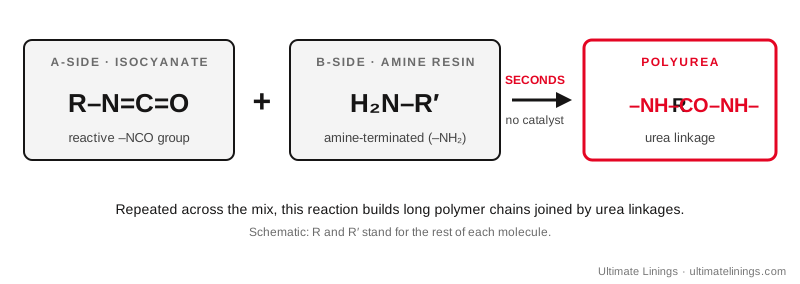
- Fast: the reaction typically occurs within a few seconds, so the sprayed material gels and sets almost immediately.
- No catalyst: pure polyurea reacts without one, which keeps the formulation simple and the cure predictable.
- 100% solids: there are no solvents and no VOCs to evaporate, so what is sprayed is what stays on the surface.
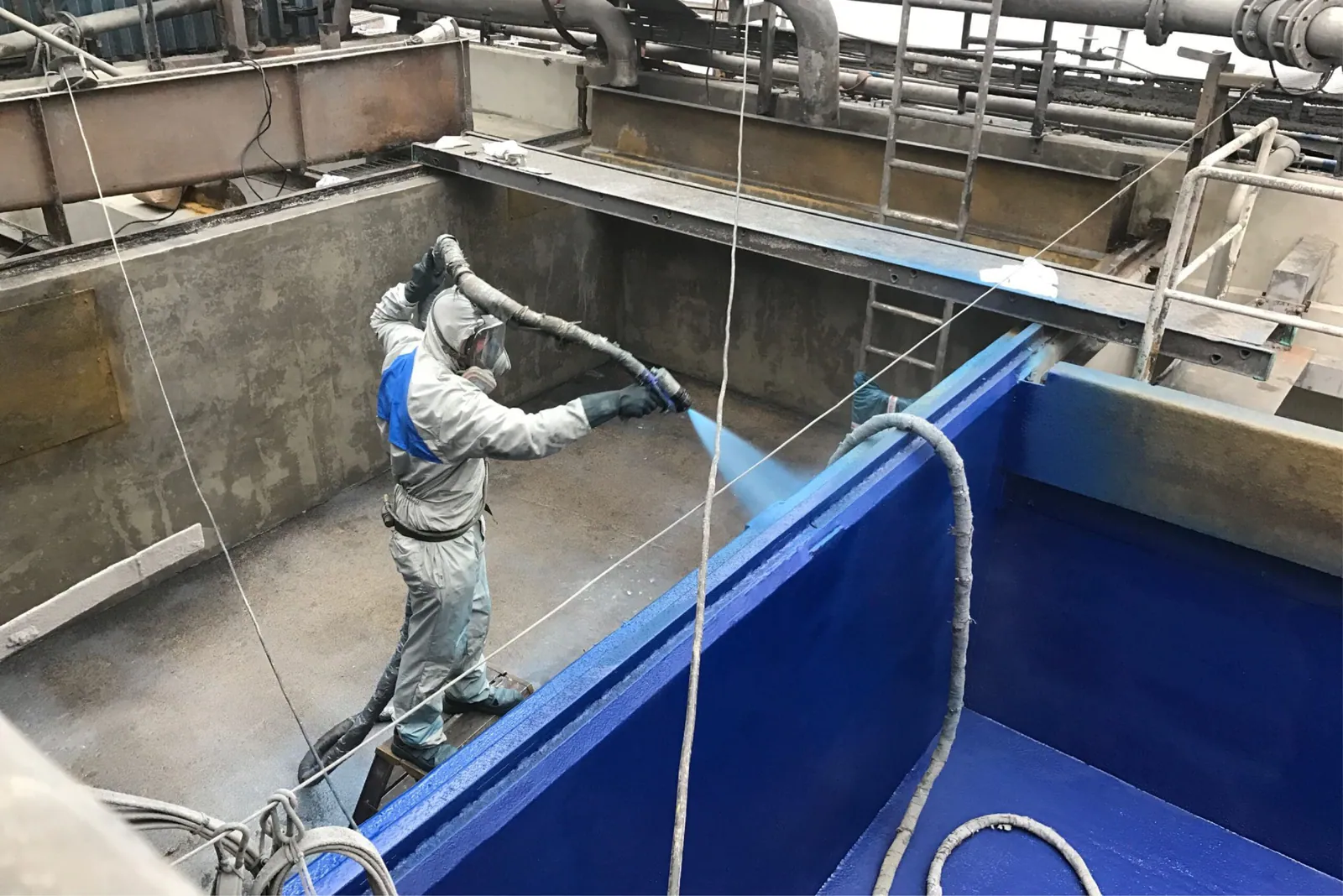
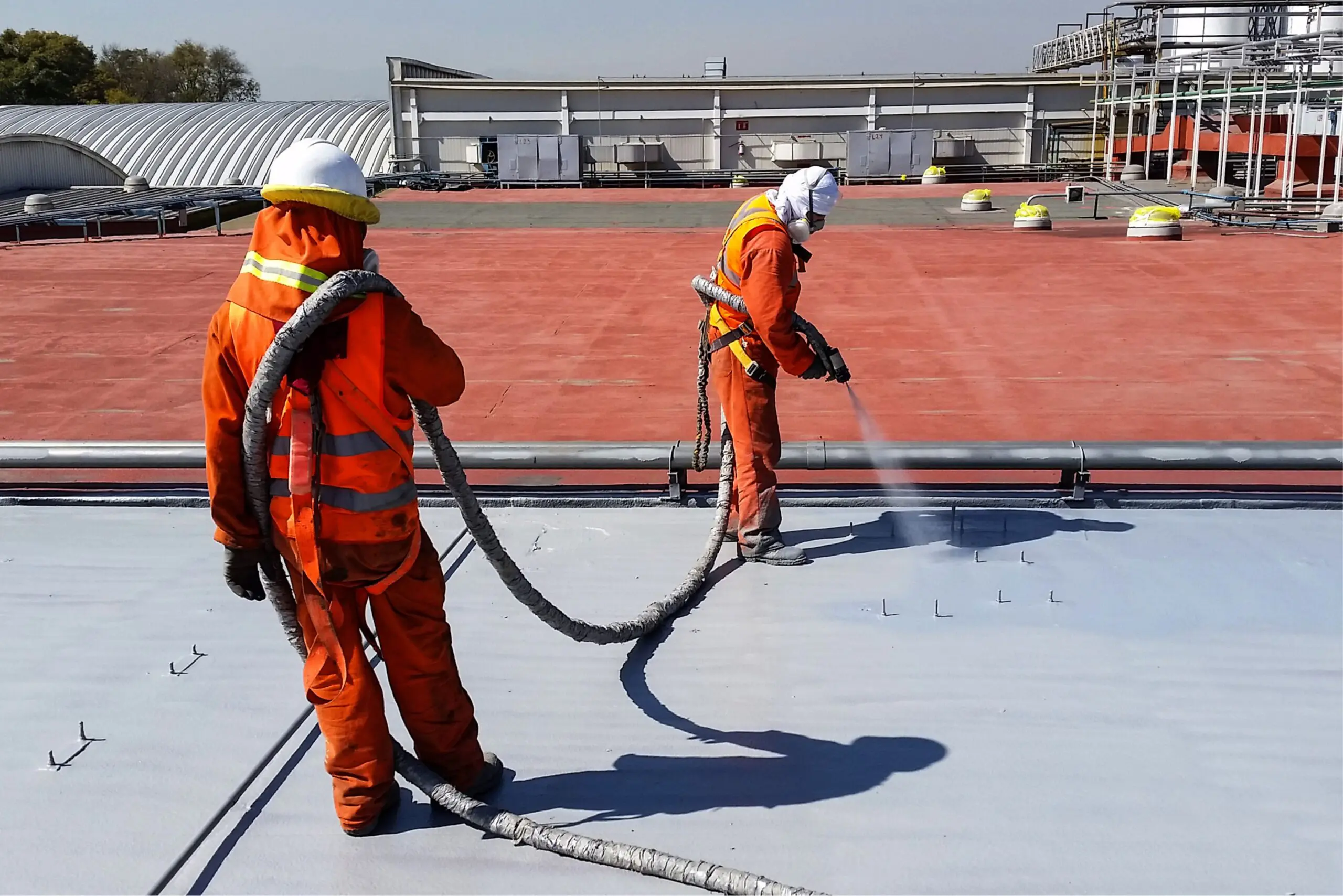
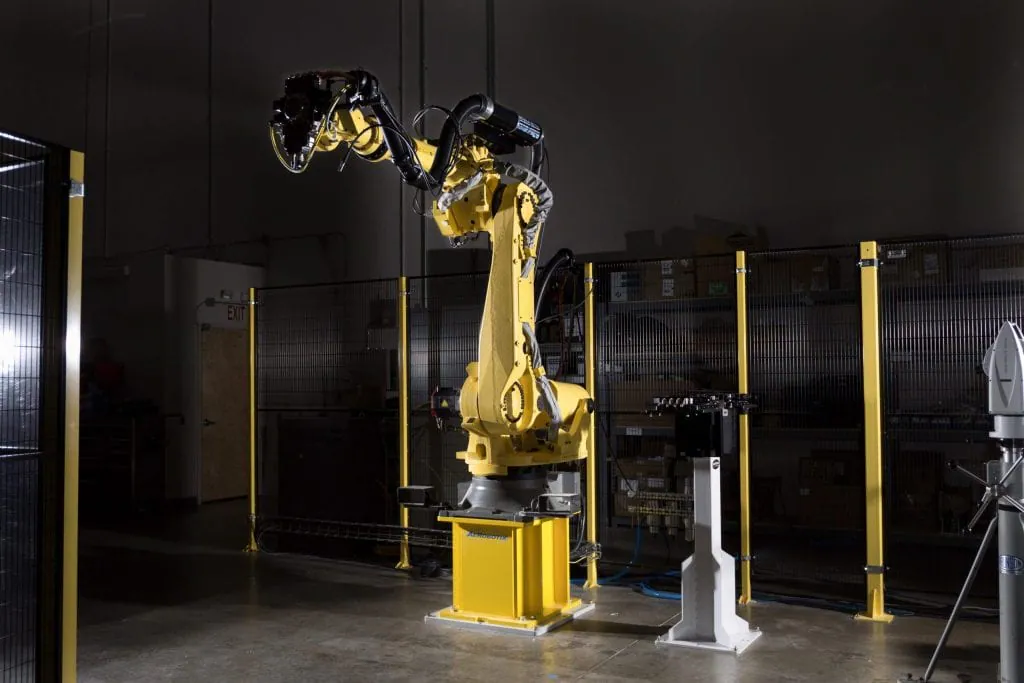
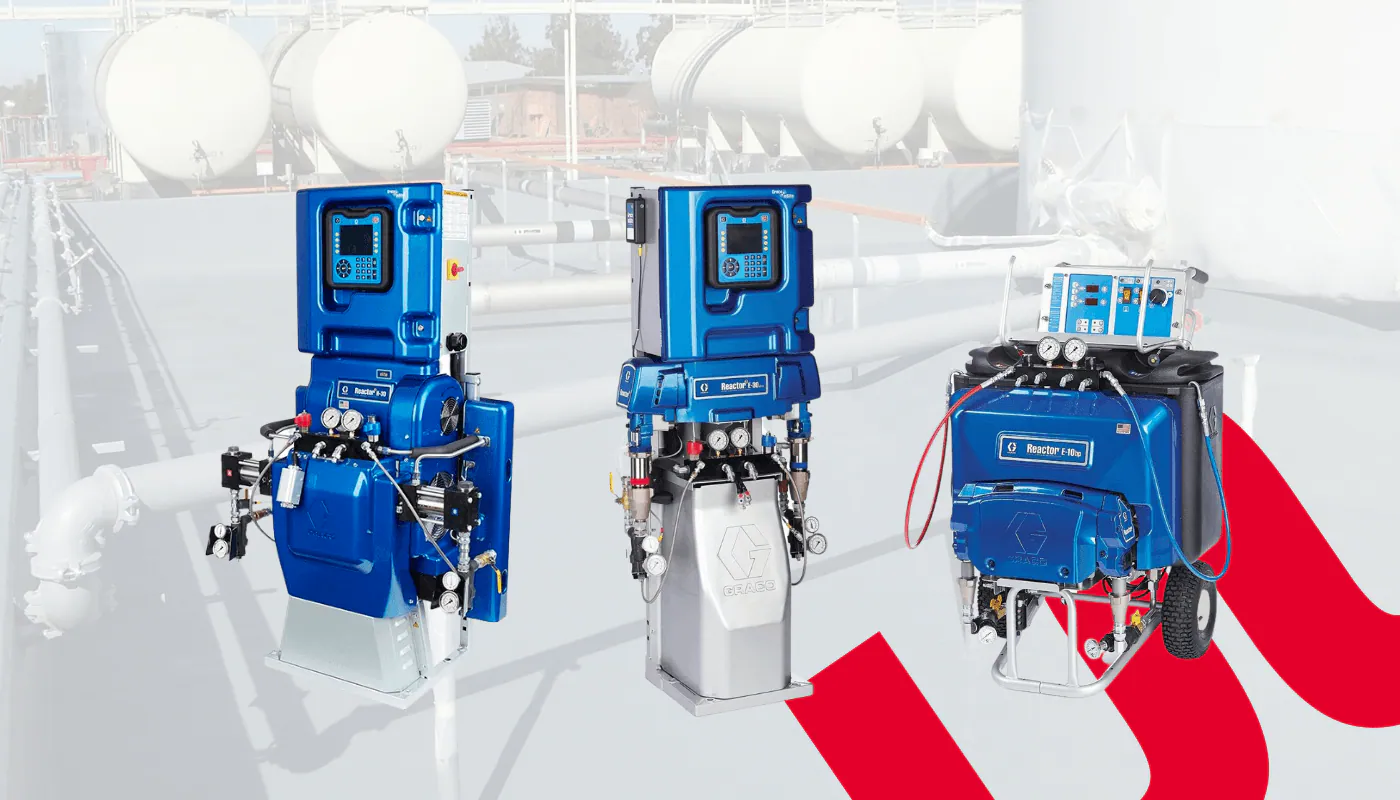
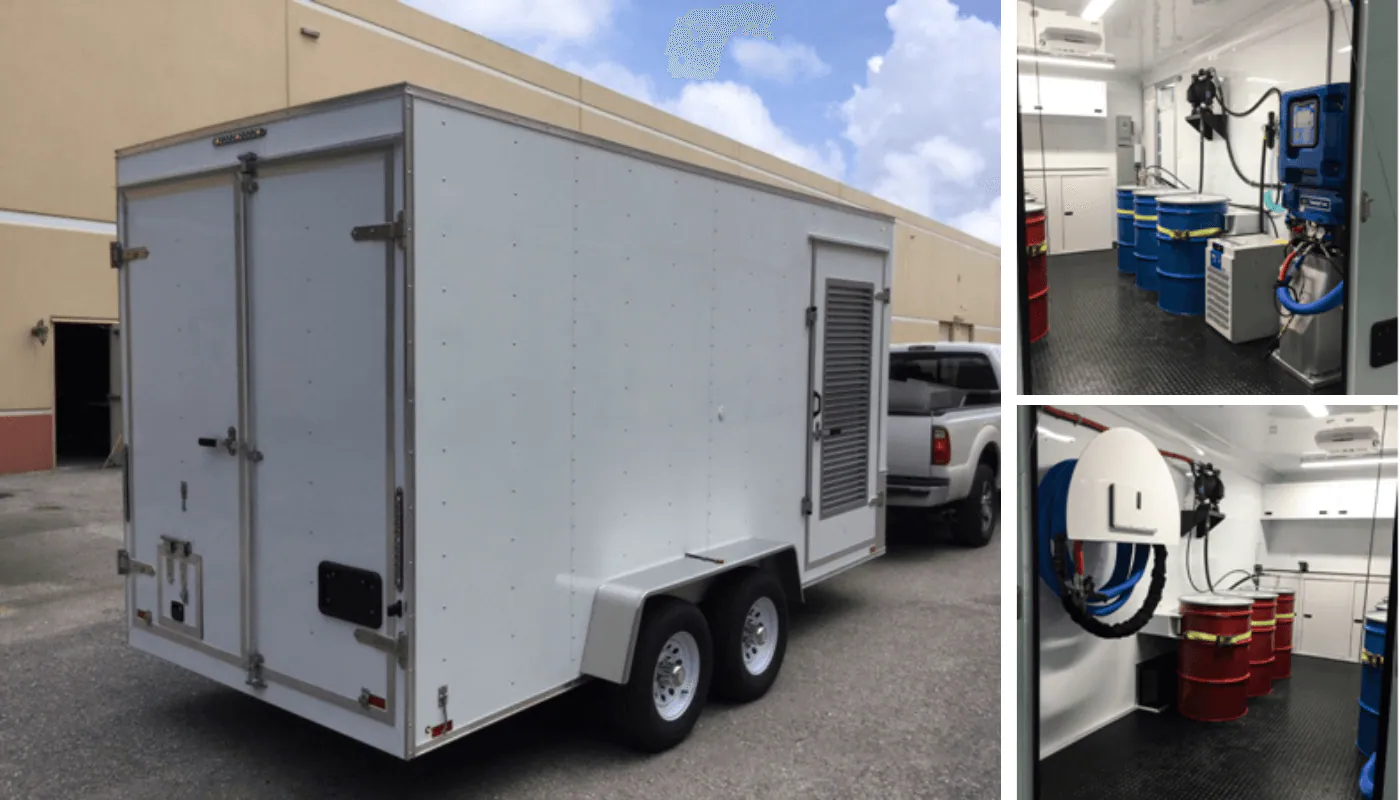
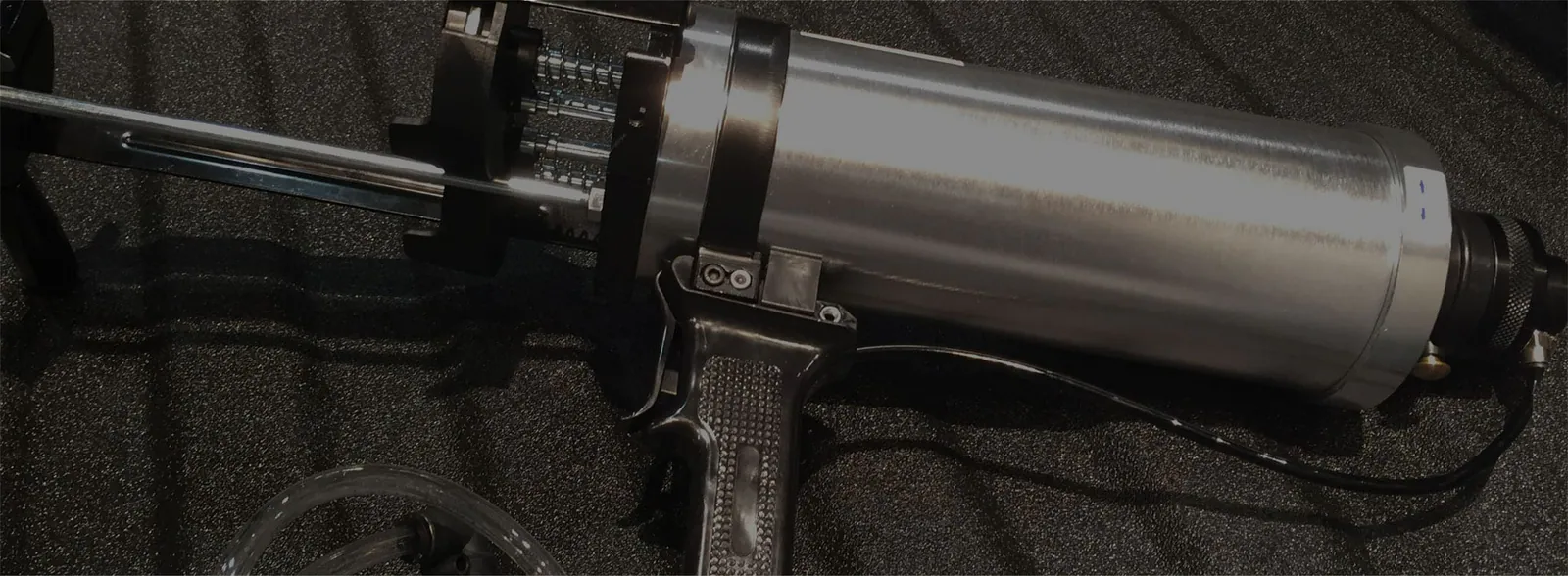
- Plural-component application: specialized equipment keeps the two components separate and heated until they meet at the spray gun. See polyurea application systems.
Polyurea vs Polyurethane Chemistry
Polyureas are reaction products of isocyanates and amines. Polyurethanes are reaction products of isocyanates and polyols. The main difference is that polyurea uses amine-terminated (-NH₂) resins rather than hydroxyl-terminated (-OH) resins, and that changes the linkage the reaction forms: a urea linkage (-NH-CO-NH-) instead of a urethane linkage (-NH-CO-O-).
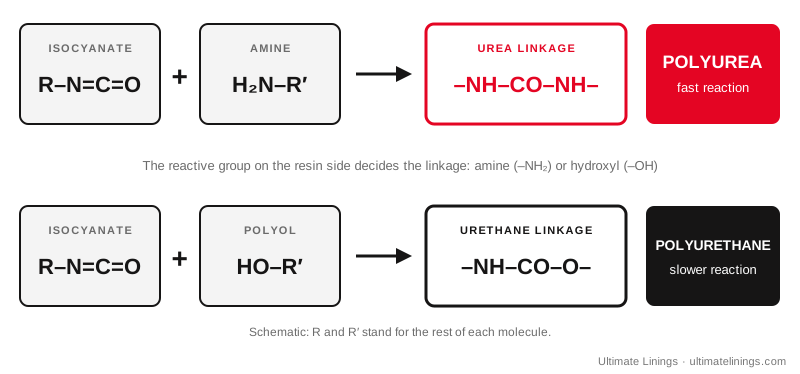
Like urethanes, polyureas offer high flexibility, durability and chemical resistance, and these are superior to most polyurethanes. The amine reaction is also much faster, which is why polyurea systems can gel within seconds of mixing. For a side-by-side performance comparison, see polyurea vs polyurethane.
Types of Polyurea
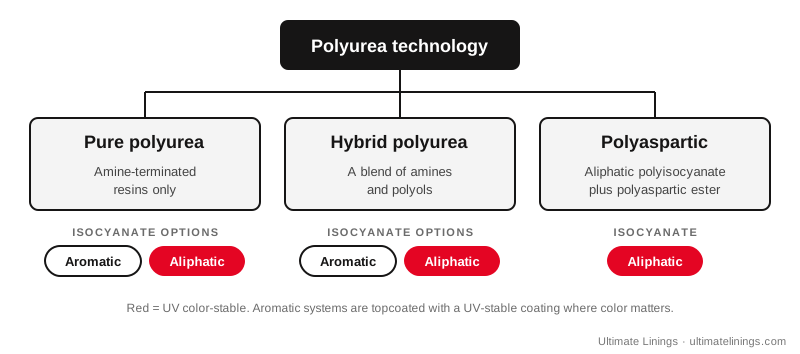
Polyurea is a technology, not one specific coating. Two chemistry choices create the main types: what is on the resin side (amine only, or amine plus polyol) and what kind of isocyanate is used (aromatic or aliphatic). Polyaspartic coatings are a related subset built on aliphatic chemistry.
Aromatic vs Aliphatic Polyurea
The difference is in the isocyanate. Aromatic isocyanates contain a benzene ring; aliphatic isocyanates do not. In practice, aromatic polyurea is known for strength and cost-effectiveness but is not naturally UV color-stable, so it is topcoated with a UV-stable coating such as a polyaspartic where color matters. Aliphatic polyurea resists the effects of sunlight and keeps its color and gloss, and Ultimate Linings aliphatic systems are applied in a single coat with no topcoat required.
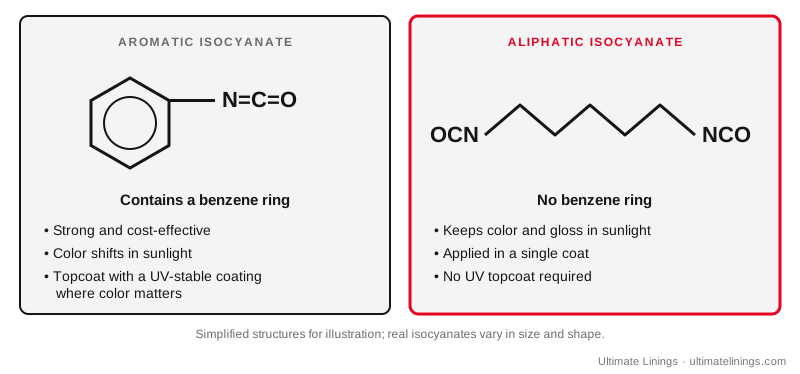
For best uses, topcoat options and where each fits, read aliphatic vs aromatic polyurea.
Pure vs Hybrid Polyurea
Pure polyurea uses only amine-terminated resins, so the polymer is built from urea linkages. That gives it superior elongation, flexibility and chemical resistance. Hybrid polyurea contains a blend of amines and polyols, which adds some urethane linkages alongside the urea. The result is a slightly longer working time and a lower cost while keeping fast set speed, impact resistance and a watertight seal, in exchange for some elongation and chemical resistance. Both come in aromatic and aliphatic versions.
See the detail pages for pure polyurea and hybrid polyurea.
Polyaspartic Polyurea
Polyaspartic is a subset of the polyurea family, known chemically as an aliphatic polyurea. It is made by reacting aliphatic polyisocyanates with polyaspartic esters, which act as the amine component. It is known for fast cure, UV stability and a wide application temperature range. Read more about polyaspartic coatings.
Polyurea Types at a Glance
| Type | Resin side | Isocyanate | Key traits | UV color stability |
|---|---|---|---|---|
| Pure polyurea | Amine-terminated resins only | Aromatic or aliphatic | Highest elongation, flexibility and chemical resistance | Aliphatic versions only |
| Hybrid polyurea | A blend of amines and polyols | Aromatic or aliphatic | Longer working time, lower cost, fast set, impact resistant | Aliphatic versions only |
| Polyaspartic | Polyaspartic ester (amine component) | Aliphatic | Fast cure, wide temperature range, zero VOC | Yes |
Polyurea's Strong Molecular Bond Advantages
Highly Durable and Flexible
Polyurea is a lot stronger than traditional coating materials like epoxy and polyurethane. It provides unmatched flexibility, can withstand high and low-temperature variations, and can be applied year-round regardless of weather conditions.
Easy to Clean and Maintain
When fully cured, polyurea provides a smooth, flexible, yet durable, solid surface that's easy to clean and maintain, able to withstand sanitization and power washing, ideal for food manufacturing and healthcare facilities.
Consistent Long-Lasting Results
With proper maintenance and regular cleaning, a polyurea coating can last 30 years or more before needing repairs or replacement.
Excellent Chemical Resistance
Polyurea coatings provide a fast-curing, durable, and flexible protective barrier that prevents water damage and harmful chemicals, and is resistant to petroleum-based and caustic chemicals.
Strong Waterproofing Capabilities
One of the main applications of polyurea is waterproofing structures such as concrete flooring, roofing systems, balconies, terraces, parking garages, and wastewater facilities.
Environmentally Friendly
Polyurea is 100% solids with no solvents or VOCs, which makes it environmentally friendly.
Easy Application and Rapid Curing
Polyurea is evenly applied using a specialized plural-component spray system. Once sprayed onto the surface, the polyurea cures within seconds, minimizing downtime and returning the structure to use much faster than other waterproofing coatings.
Polyurea Chemistry Glossary
- A-side
- The isocyanate component of a two-component polyurea system.
- Aliphatic
- Describes isocyanates built on carbon chains or non-aromatic rings. Aliphatic polyurea keeps its color and gloss in sunlight.
- Amine
- A compound with nitrogen-hydrogen groups (-NH₂) that reacts with an isocyanate to form a urea linkage. Amine-terminated resins make up the B-side of polyurea.
- Aromatic
- Describes isocyanates that contain a benzene ring. Aromatic polyurea is strong and cost-effective but not naturally UV color-stable.
- B-side
- The amine resin blend component of a two-component polyurea system.
- Elongation
- How far a cured coating can stretch before it breaks. High elongation lets a coating flex with the surface without cracking.
- Gel time
- The time after mixing at which the material stops flowing and begins to solidify.
- Hybrid polyurea
- Polyurea that contains a blend of amines and polyols.
- Isocyanate
- A reactive compound containing the -N=C=O group. It is the A-side of polyurea.
- Plural-component spray
- Application equipment that keeps the two components separate and heated until they meet and mix at the spray gun.
- Polyaspartic
- A subset of the polyurea family: an aliphatic polyurea made from aliphatic polyisocyanates and polyaspartic esters.
- Polyol
- A compound with several hydroxyl (-OH) groups. Reacting with an isocyanate, it forms urethane linkages. Used in polyurethane and in hybrid polyurea.
- Pure polyurea
- Polyurea made with amine-terminated resins only.
- Tack-free time
- The time until the surface no longer feels sticky to the touch.
- Urea linkage
- The -NH-CO-NH- bond formed when an isocyanate reacts with an amine. It is the backbone linkage of polyurea.
- Urethane linkage
- The -NH-CO-O- bond formed when an isocyanate reacts with a polyol. It is the backbone linkage of polyurethane.
- 100% solids
- A coating that contains no solvents. Polyurea emits no VOCs because nothing evaporates as it cures.
Polyurea Chemistry FAQ
What is polyurea made of?
Polyurea is made from two components: an isocyanate (the A-side) and an amine-terminated resin blend (the B-side). When they are mixed they react to form urea linkages, and those build the polymer.
What chemical reaction creates polyurea?
An isocyanate group reacts with an amine group to form a urea linkage (-NH-CO-NH-). The reaction completes within seconds, and pure polyurea needs no catalyst.
What is the difference between aromatic and aliphatic polyurea?
The difference is the isocyanate. Aromatic polyurea uses isocyanates with a benzene ring, which makes it strong and cost-effective but not naturally UV color-stable. Aliphatic polyurea uses isocyanates without one, so it keeps its color and gloss in sunlight and can be applied in a single coat with no topcoat.
What is hybrid polyurea?
Hybrid polyurea contains a blend of amines and polyols. It gives a slightly longer working time and lower cost than pure polyurea, while keeping fast set speed, impact resistance and a watertight seal.
Is polyaspartic the same as polyurea?
Polyaspartic is a subset of the polyurea family. Chemically it is an aliphatic polyurea made by reacting aliphatic polyisocyanates with polyaspartic esters, which serve as the amine component.