Polyaspartic Coatings
The Advantages of Polyaspartic Coatings: Fast Curing Time, UV Stability, Durability, Temperature Versatility, Zero VOC Emissions.
What is Polyaspartic?
Polyaspartic is a subset of the polyurea family, known chemically as an aliphatic polyurea. It is formulated through the reaction of aliphatic polyisocyanates with polyaspartic esters, which serve as the amine component. This reaction creates a polymer that cures quickly at a wide range of temperatures, making it highly adaptable for various applications.
Polyaspartic coatings are renowned for their fast curing times, UV stability, and exceptional durability – a type of protective coating that has taken the coatings industry by storm, offering a unique combination of durability, efficiency, and versatility.
The Advantages of Polyaspartic Coatings
Fast Curing Time
Polyaspartic coatings cure significantly faster than traditional coatings like epoxy, reducing downtime in commercial settings.
UV Stability
Unlike coatings that yellow or degrade under UV exposure, polyaspartics retain their color and integrity, making them ideal for outdoor and sun-exposed environments.
Durability
Polyaspartics offer high abrasion and chemical resistance, protecting surfaces from harsh conditions, impacts, and spills.
Temperature Versatility
Polyaspartics can be applied in a wide range of temperatures, from cold to very hot conditions, without affecting performance.
Zero VOC Emissions
Polyaspartic coatings by Ultimate Linings emit zero volatile organic compounds compared to traditional coatings, aligning with environmental and health standards.
Polyaspartic Applications
Garage and Warehouse Floors
Provides a protective layer that withstands the test of time for areas requiring durability and resistance to heavy foot or vehicle traffic.
Pipe Coatings
Applied as a protective barrier against corrosion, chemical attack, and abrasion, extending the service life of piping systems with minimal added thickness.
Rails and Signs
A weather-resistant, glossy finish for outdoor rails and signs that protects against rust, UV damage, and abrasion while enhancing appearance.
Toolboxes
Increased resistance to scratches, chemicals, and impacts, keeping toolboxes functional and aesthetically pleasing despite heavy use.
UV Stable Topcoat for Aromatic Polyurea
An excellent topcoat over aromatic polyurea where UV exposure is a concern, offering enhanced color stability and protection.
Stronger Replacement for Powder Coat
Superior durability, flexibility, and chemical resistance in scenarios demanding higher performance than traditional powder coatings.
Polyaspartic vs. Polyurea
Although polyaspartic and polyurea coatings share a chemical lineage, key differences in their properties and applications set them apart. A fundamental distinction lies in their respective film thickness and the specific use cases they best serve.
Polyurea is generally recognized for its thick-film applications, providing robust, high-build protective layers capable of withstanding severe environmental and mechanical conditions – particularly suitable for industrial settings where durability and resistance to heavy impacts or chemical exposures are paramount.
In contrast, polyaspartic coatings are applied as a thin film, similar to traditional paint, yet offer exceptional durability. This thin-film attribute lets polyaspartic coatings deliver high-performance protection and aesthetic appeal in environments where areas of low tolerance must be maintained – from residential and commercial flooring to automotive parts and beyond.
Polyaspartic vs. Epoxy
Polyaspartic coatings outperform epoxies in several key areas, including curing time, UV stability, and temperature adaptability. While epoxies can be more cost-effective and offer excellent surface adhesion, polyaspartics provide a quicker return to service, making them ideal for projects with tight timelines.
Polyaspartic vs. Powder Coat
Compared to powder coatings, polyaspartics offer superior flexibility and impact resistance, critical in environments subject to mechanical stress. Polyaspartics can be applied on-site and cure at room temperature – no oven-curing required – and have proven to be 15x stronger than powder coat.
Impact Testing
Polyaspartic held up where paint and powder coat failed.
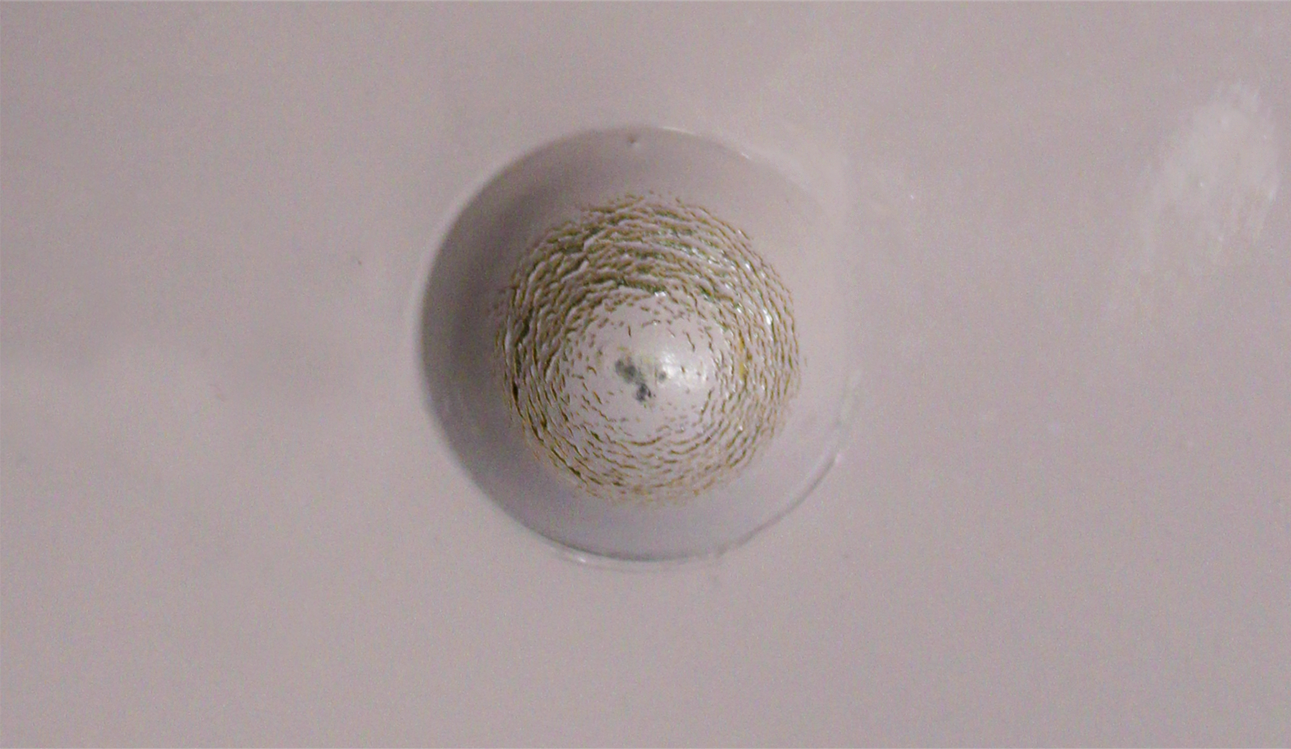
Paint
Failed at 40 inch-pounds
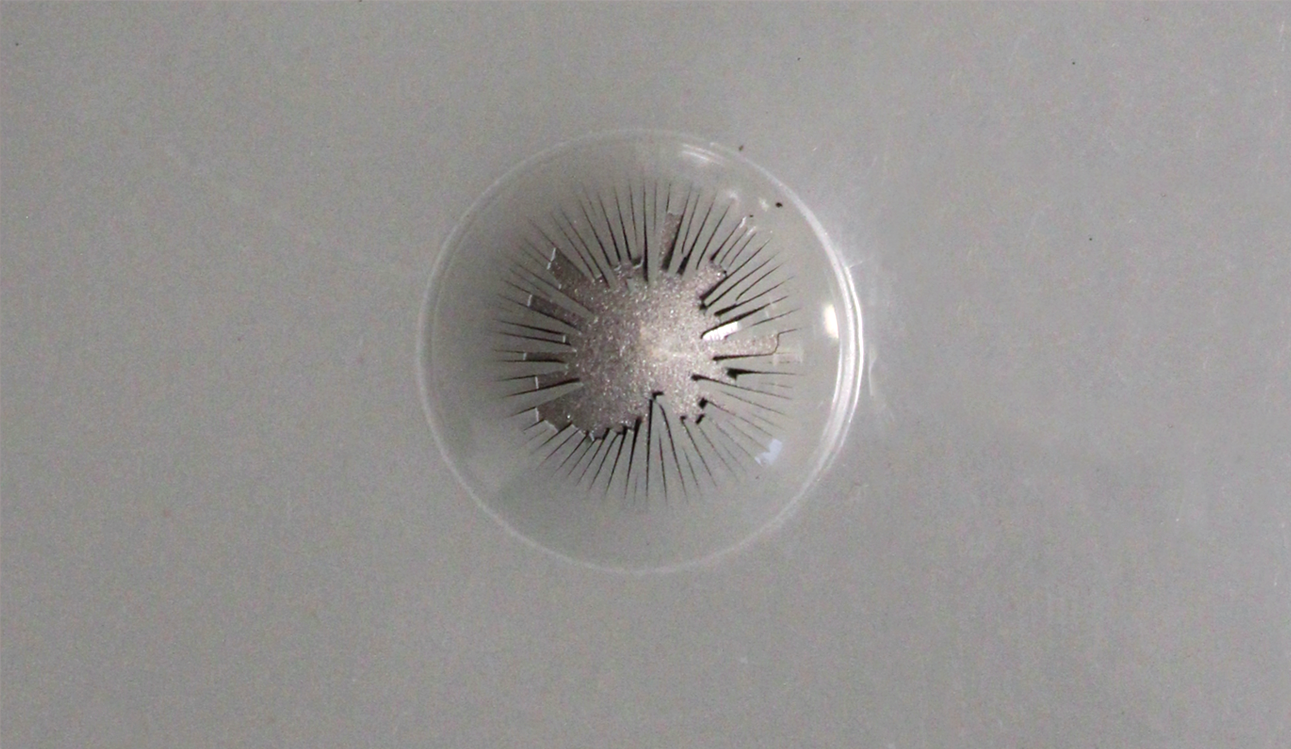
Powder Coat
Failed at 40 inch-pounds
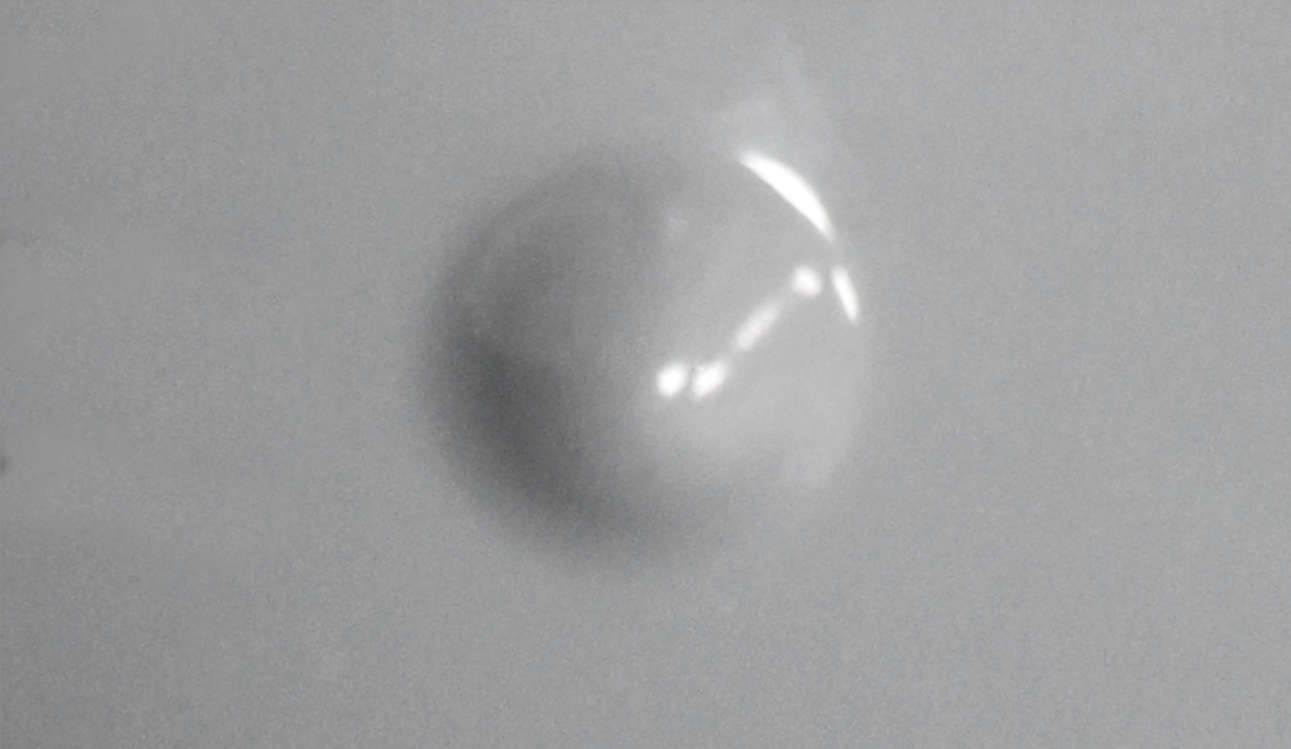
Polyaspartic
No failure at 320 inch-pounds
Frequently Asked Questions
Is polyaspartic UV stable?
Yes, polyaspartic coatings are highly UV stable, making them suitable for outdoor applications without the risk of yellowing or degradation.
How fast does polyaspartic cure?
Polyaspartic coatings can cure within hours, significantly faster than traditional coatings, which may take days to fully cure.
Are Ultimate Linings' polyaspartic coatings zero-VOC?
Yes, Ultimate Linings' polyaspartic coatings have zero VOC emissions compared to many traditional coatings, making them a more environmentally friendly option.
Can polyaspartic be applied in cold temperatures?
Yes, polyaspartic coatings can be applied in a wide range of temperatures, including lower temperatures where other coatings might fail.