The primary difference between aliphatic and aromatic polyurea is their response to ultraviolet (UV) exposure. Aromatic polyureas are widely used for demanding protective applications where long-term color and gloss retention are not critical. Aliphatic polyureas are typically selected when a coating will remain exposed to sunlight and maintaining its original color and gloss is an important project requirement.
That does not make aliphatic polyurea inherently better. In many industrial applications, aromatic polyurea provides the required performance at a lower cost. In others, an aromatic membrane paired with an aliphatic UV-stable topcoat can provide an effective balance of performance, appearance, and cost.
The right choice starts with understanding the differences between the two chemistries.
What Is the Difference Between Aliphatic and Aromatic Polyurea?
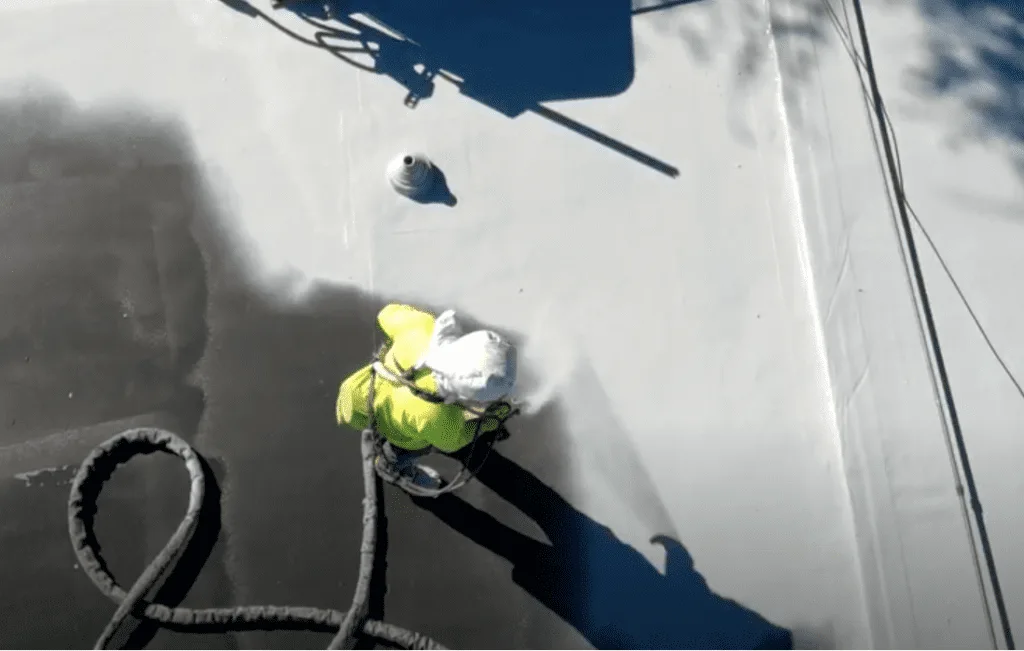
The terms aromatic and aliphatic refer to the chemical structure of the isocyanate component used to produce the coating. That difference affects how the finished polymer responds to ultraviolet light.
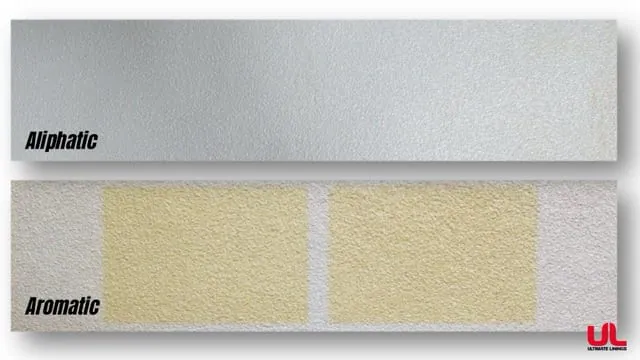
Aromatic polyureas can undergo changes in color and gloss with prolonged sunlight exposure. The extent of these changes depends on the specific formulation, pigment package, and exposure conditions.
Aliphatic chemistry provides much better resistance to UV-induced changes in color and gloss. As a result, aliphatic coatings generally provide better long-term color and gloss retention in exposed applications.
Importantly, UV discoloration does not necessarily mean coating failure. An aromatic coating can change appearance while continuing to provide its intended protective function. The choice between aliphatic and aromatic polyurea should therefore depend on whether appearance is an important part of the coating’s job.
Aromatic Polyurea: When Performance and Cost Matter More Than Color and Gloss Retention
Aromatic polyurea is the workhorse chemistry behind many high-performance protective coating systems. Depending on the formulation, it can provide excellent abrasion resistance, impact resistance, flexibility, moisture protection, and chemical resistance.
For example, Ultimate Linings XP-461 is a 100% solids, two-component aromatic pure polyurea spray elastomer that forms a durable, moisture-resistant protective membrane. It offers high tensile and tear strength, abrasion and impact resistance, chemical resistance, and low water vapor transmission.
When to Use Aromatic Polyurea?
Aromatic polyurea is well suited for applications that are:
- Indoors
- Buried or covered
- Beneath another coating or finish
- Inside tanks or containment structures
- Protected from direct UV exposure
- Exposed to sunlight where changes in color and gloss are acceptable
- Exposed to sunlight where long-term color and gloss retention are not critical requirements
- Focused primarily on waterproofing, abrasion, impact, or containment performance
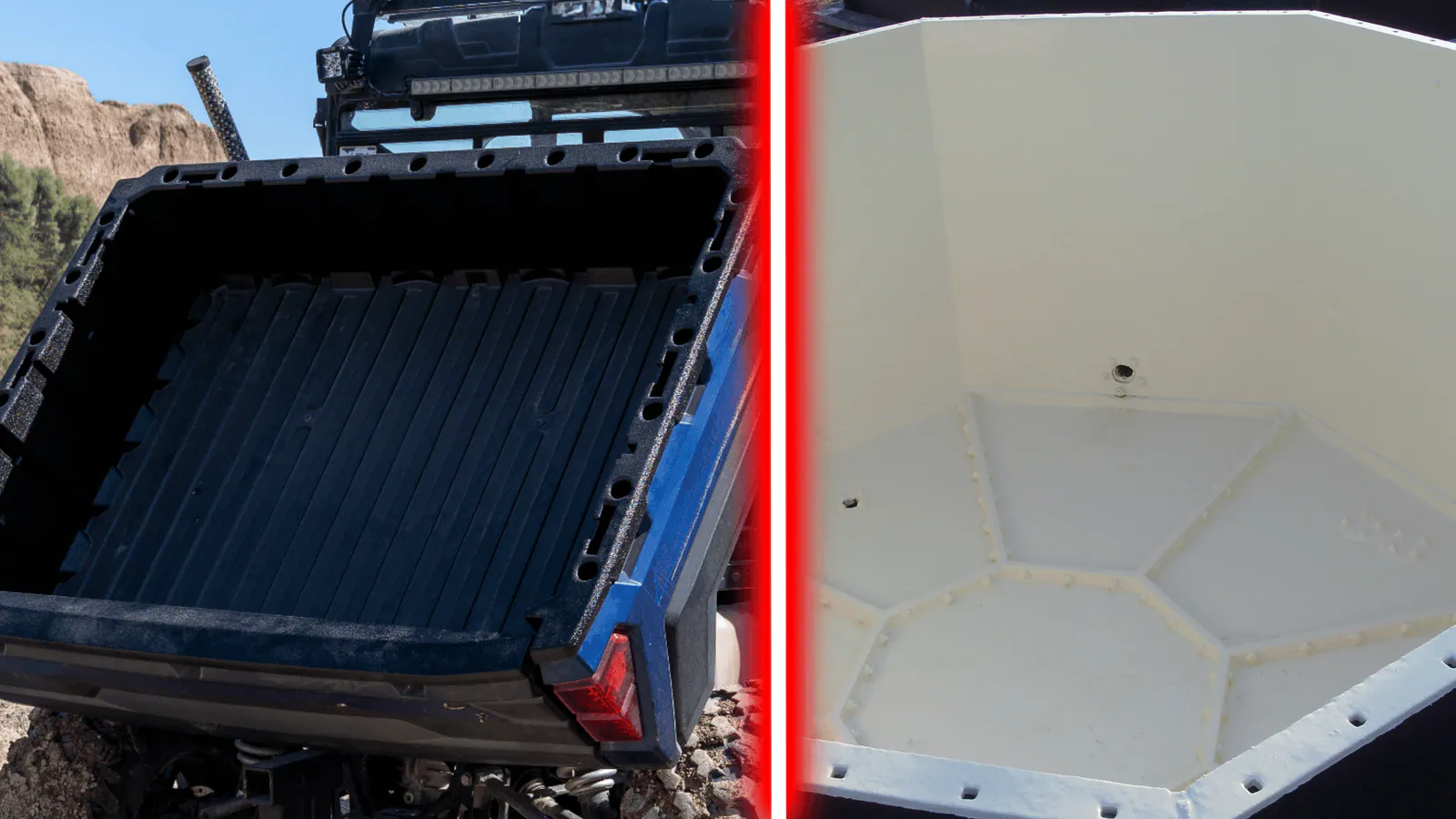
Aromatic polyurea is also commonly used in exterior applications such as black truck bedliners, where protective performance is more important than maintaining the original gloss. Applications can also include industrial flooring, tank linings, wastewater infrastructure, waterproofing membranes, under-tile systems, equipment protection, and containment areas.
When long-term color and gloss retention are not important project requirements, aromatic polyurea may provide the required performance without the additional cost of an aliphatic system.
Aliphatic Polyurea: When UV Stability Matters
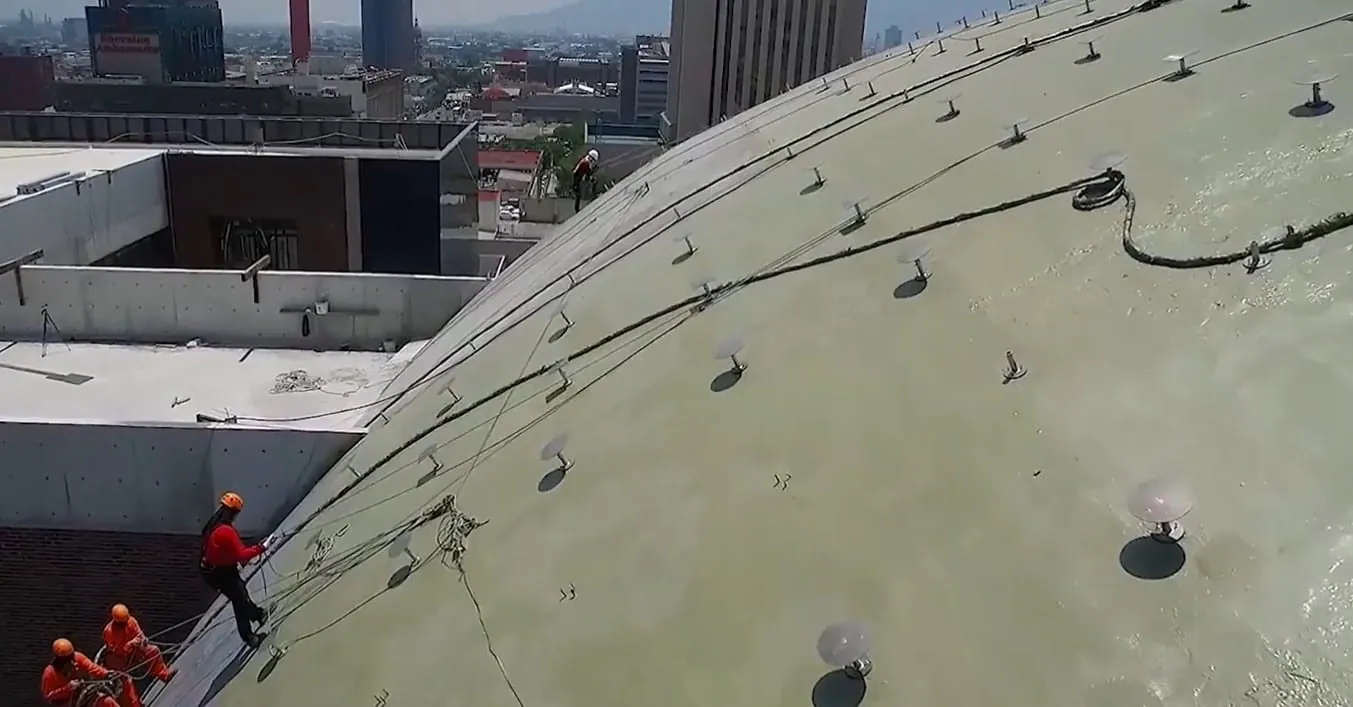
Aliphatic polyurea is designed for applications where sunlight exposure and long-term appearance are important, as its chemistry provides substantially better resistance to UV-induced changes in color and gloss.
Ultimate Linings KG 3607, for example, is a fast-setting, rapid-curing, 100% solids, flexible aliphatic two-component spray polyurea designed for interior and exterior protective applications. The system provides excellent color and gloss retention along with the durability and flexibility expected from a high-performance protective coating.
When to Use Aliphatic Polyurea?
Aliphatic polyurea is particularly relevant for:
- Exterior surfaces exposed to direct sunlight
- Architectural or decorative applications
- Exposed decks and walkways
- OEM applications requiring long-term color consistency
- Projects using bright or carefully specified colors
- Applications where gloss retention is part of the specification
The key advantage is color and gloss retention under UV exposure, not an across-the-board improvement in every physical property.
Aliphatic vs. Aromatic Polyurea: Quick Comparison
| Consideration | Aromatic Polyurea | Aliphatic Polyurea |
|---|---|---|
| Color and gloss retention under UV exposure | Limited | Excellent |
| Long-term color and gloss retention | May discolor under UV | Designed for strong color and gloss retention |
| Exterior exposure | Suitable when appearance is not critical or when topcoated | Well suited where long-term color and gloss retention are required |
| Interior use | Excellent option | Usually unnecessary unless other properties require it |
| Heavy-duty protection | Depends on formulation | Depends on formulation |
| Waterproofing | Commonly used | Available where color and gloss retention are also required |
| Cost | Generally lower | Generally higher |
| Decorative finish | Less suitable under prolonged UV | Typically preferred |
| Use beneath a topcoat | Very common | Usually unnecessary solely for appearance retention |
The aliphatic or aromatic classification does not determine the coating’s overall physical performance. Strength, flexibility, hardness, abrasion resistance, and chemical resistance vary by product and should be evaluated using the product’s technical data.
Aromatic polyureas can include different formulation types and performance characteristics. Product selection should be based on the specific technical data, application requirements, and service environment rather than the aromatic classification alone.
Is a Fully Aliphatic Polyurea System Necessary?
Not always. For some exterior applications, the most effective approach is to separate the jobs performed by each coating layer.
The primary polyurea membrane can provide waterproofing, flexibility, impact resistance, abrasion resistance, and other required physical properties. A compatible aliphatic coating can then provide the exposed, color-retentive finish.
In some applications, an aromatic polyurea combined with a compatible aliphatic or polyaspartic topcoat can provide a practical balance of membrane performance, long-term appearance, and cost. See Ultimate Linings’ traffic deck systems.
Which Polyurea Is Right for Your Project?
Start with the operating environment and performance requirements rather than the chemistry alone.
Choose aromatic polyurea when the coating’s primary purpose is protection and long-term color and gloss retention are not important project requirements.
Choose aliphatic polyurea when the polyurea will remain exposed to sunlight and maintaining its color and appearance is an important part of the specification.
Consider aromatic polyurea with an aliphatic topcoat when you need the physical properties and economics of an aromatic membrane but also need a color-retentive exposed finish. This approach can provide a practical balance of performance, appearance, and system cost.
Other Factors to Consider Beyond UV Exposure
Before selecting a polyurea system, consider:
- Expected chemical exposure
- Abrasion and impact
- Required elongation and flexibility
- Operating temperatures
- Immersion or hydrostatic conditions
- Required coating thickness
- Slip resistance
- Color and finish expectations
- Application environment
- Return-to-service requirements
- Gel time and wet-out requirements
- Primer and topcoat compatibility
The final product selection should be based on the complete application requirements, not aromatic or aliphatic chemistry alone.
Talk to Ultimate Linings About Your Application
Ultimate Linings manufactures aromatic pure polyureas, aliphatic polyureas, hybrid systems, polyaspartics, primers, and specialty protective coatings.
Contact our technical team for help evaluating the substrate, exposure conditions, performance requirements, application equipment, and desired finish to help identify an appropriate system for the project.
Frequently Asked Questions
Does Aromatic Polyurea Break Down in Sunlight?
Aromatic polyurea can experience changes in color and gloss when exposed to prolonged UV radiation. The extent of these changes depends on the specific formulation, pigment package, and exposure conditions. Changes in color or gloss do not automatically mean the coating has lost its protective properties.
Is Aliphatic Polyurea UV Stable?
Aliphatic polyurea offers substantially better resistance to UV-induced appearance changes, including improved color and gloss retention. The performance of a specific coating should still be confirmed through its technical data and relevant weathering tests.
Can Aromatic Polyurea be Used Outdoors?
Yes. Outdoor exposure does not automatically rule out aromatic polyurea. If long-term color and gloss retention are not important, an aromatic membrane may remain exposed depending on the system requirements. When color and gloss retention are important, a compatible aliphatic or polyaspartic topcoat can provide a color-retentive finish.
Can an Aliphatic Topcoat be Used Over Aromatic Polyurea?
Yes. Compatible aliphatic and polyaspartic topcoats are frequently used over protective membranes to improve color and gloss retention in exposed service. The complete system should be specified by the manufacturer because surface preparation, recoat windows, and chemical compatibility are important.
Is Aliphatic Polyurea Stronger than Aromatic Polyurea?
No general statement can be made that aliphatic polyurea is stronger than aromatic polyurea. Aliphatic and aromatic describe aspects of the coating chemistry, not an overall strength rating. Tensile strength, elongation, tear strength, hardness, abrasion resistance, and chemical resistance vary by formulation. Always compare the technical data for the specific products being considered.
What is More Expensive, Aliphatic or Aromatic Polyurea?
Aliphatic polyurea is generally more expensive than aromatic polyurea. However, when long-term color and gloss retention are important, the additional cost may provide meaningful value over the life of the coating.
Why is Aliphatic Polyurea More Expensive?
Aliphatic raw materials and formulation requirements generally make these systems more expensive than aromatic alternatives. As a result, aliphatic chemistry is typically selected when its UV stability and appearance retention provide a meaningful performance benefit.